

What Makes High-Performance Concrete Different: Aggregate Selection Guide
December 3, 2025
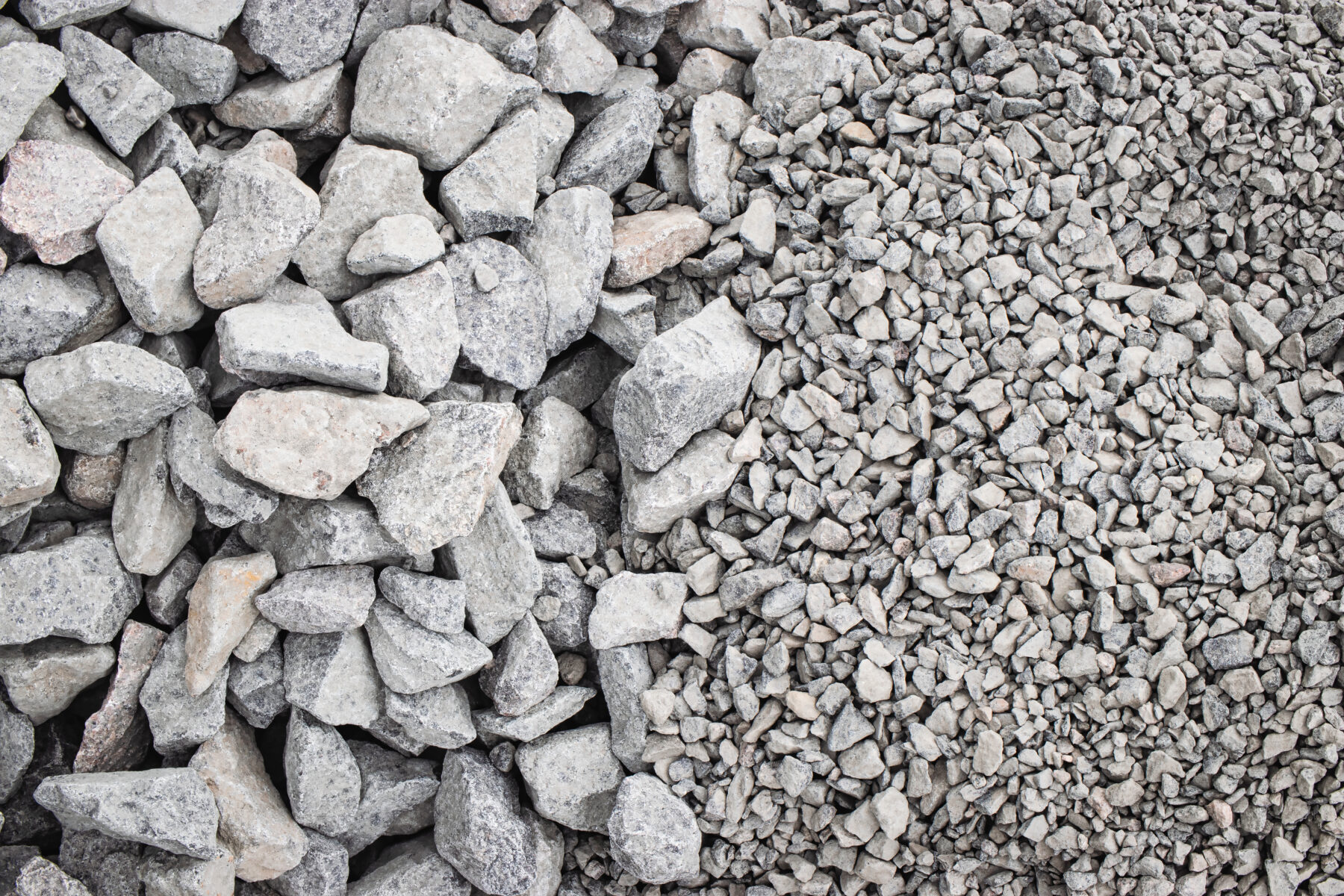
High-performance concrete stands apart not only for its remarkable strength but for the precision behind its composition. Each element within the mix contributes to the material’s ability to resist stress, moisture, and time, and among those elements, aggregates play the most defining role. Their size, shape, and mineral makeup influence everything from workability to long-term durability, transforming concrete from a basic building material into a high-performance system engineered for resilience and reliability.
The Foundation of Performance
Aggregates form roughly three-quarters of concrete’s total volume, making their role in high-performance mixes impossible to overlook. The relationship between fine and coarse materials determines how efficiently the paste binds and how the structure resists long-term degradation. For high-performance applications, such as bridges, high-rises, or industrial floors, aggregate consistency directly influences compressive strength, permeability, and shrinkage resistance. When properly selected and proportioned, aggregates reduce voids, minimize water demand, and contribute to the uniform microstructure that defines true high-performance concrete.
Balancing Size and Gradation
Particle size distribution plays a key role in how efficiently aggregates pack together. In high-performance mixes, an optimized gradation ensures smaller particles fill the gaps between larger ones, resulting in dense internal structures with fewer air pockets. This balance minimizes the amount of paste required, improving strength while reducing the potential for cracking or creep over time. A well-calibrated blend of coarse and fine aggregates helps achieve the smooth, workable consistency needed for precise placement and finishing, especially in reinforced or heavily loaded structures.
Shape, Texture, and Bond Strength
Beyond size, the physical characteristics of each particle influence how concrete bonds and cures. Angular aggregates with rough surfaces create strong mechanical interlock with the cement paste, producing higher tensile and flexural strength. However, a mix dominated by sharp-edged materials can reduce workability. High-performance designs often incorporate a controlled combination of angular and rounded aggregates, maintaining both fluidity and structural integrity. The right surface texture helps establish a continuous bond throughout the matrix, critical for withstanding dynamic loads, vibrations, and temperature fluctuations.
Durability Through Mineral Composition
The chemical makeup of the aggregates also determines how well the concrete endures environmental exposure. Aggregates high in silica or reactive minerals can lead to unwanted expansion or cracking when exposed to moisture and alkalis. In high-performance mixes, materials such as granite, basalt, and certain types of crushed limestone are preferred for their hardness, stability, and resistance to chemical attack. Non-reactive aggregates preserve the integrity of the concrete over time, especially in marine or deicing salt environments where corrosion and sulfate exposure are common challenges.
Moisture Control and Absorption Rates
In any concrete mix, moisture levels define workability and strength development. High-performance concrete relies on precise water control to maintain low permeability and consistent curing. Aggregates with excessive absorption can draw water away from the mix, affecting hydration and causing uneven strength gain. Selecting aggregates with stable, low absorption rates ensures predictable performance throughout the curing process. Combined with proper storage and moisture management, this consistency allows the concrete to achieve the density and durability that set it apart from conventional mixes.
Building Long-Term Strength
Every component of high-performance concrete is engineered for balance. The aggregates chosen dictate not only how the material performs at early strength stages but also how it endures through decades of service. By combining optimal gradation, controlled surface characteristics, and durable mineral composition, contractors and engineers create structures that stand resilient against stress, moisture, and time.
In the end, high-performance concrete distinguishes itself through precision, starting with the very stones that form its structure. Aggregate selection is not just a technical step in mix design; it’s the defining process that transforms ordinary materials into an engineered foundation capable of supporting modern construction’s highest expectations.