

How to Build a Fire Pit with Gravel and Stone in Your Backyard
July 31, 2025
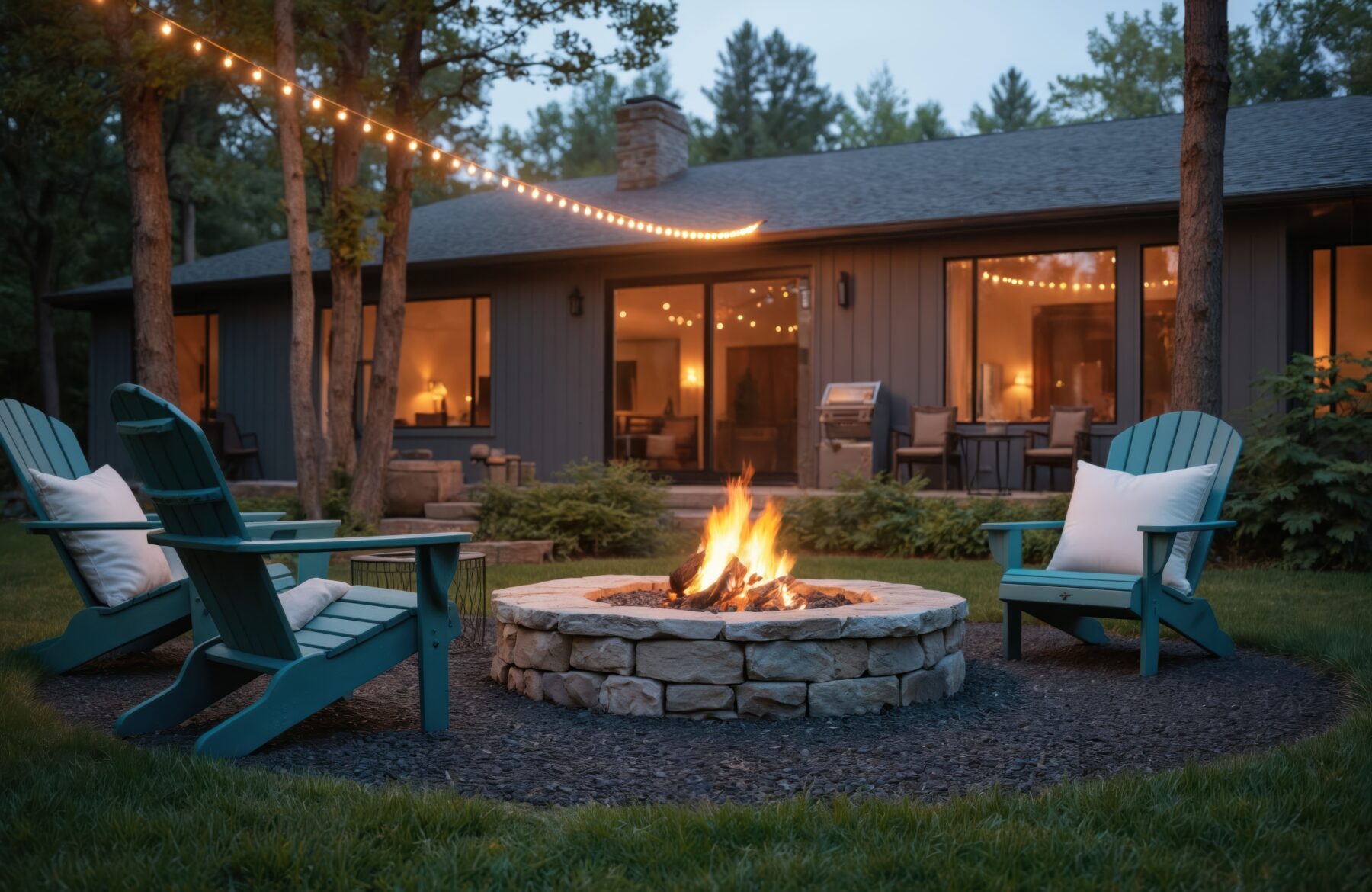
A fire pit gives the landscape a clear purpose. It draws people in, shapes how the space is used, and ties together surrounding elements without forcing the layout. Gravel and stone work in tandem to manage water, retain structure, and they finish the build with a material-driven look that feels complete. Whether it’s part of a larger design or a simple upgrade, it adds permanence and utility to the surrounding landscape.
Laying the Groundwork
Start with a defined layout. The fire pit should either lead the design as a central feature or support the structure of an existing hardscape plan. Placement shapes both function and flow. A level, open section of the yard that’s set with ample distance from surrounding elements like trees, fences, or nearby structures, establishes a reliable base. Positioning it within reach of walkways and seating keeps the design cohesive and the experience seamless.
Once the location is set, mark the shape. Round and square builds are common because they work well with most layouts and keep the footprint efficient. For a looser, more natural feel, irregular forms can align with a softer landscape. Use rope, a hose, or spray paint to trace the perimeter directly on the ground. This becomes the guide for excavation and lays the framework for what follows.
Excavating and Preparing the Base
Dig down approximately six to eight inches within the marked area. The depth ensures that gravel stays contained and helps prevent the fire pit from shifting over time. Leveling the base is key. A tamper can be used to compact the soil, providing a solid surface for the next layer.
With the pit dug and leveled, pour in a layer of crushed gravel. This acts as a drainage bed and foundation. Aim for a layer three to four inches deep. Spread it evenly, then compact it thoroughly. The result should feel firm underfoot, not loose or spongy.
Building with Stone
Dry-stacked retaining wall blocks, natural stone, or precast fire pit kits can all form the structure. The right choice depends on the surrounding materials and design tone. A more modern space may benefit from smooth, uniform concrete blocks, while irregular fieldstone suits a naturalistic layout.
The first layer of stone is the most important. Each piece should sit flush with the gravel base, level from side to side and across the circle or square. Use a rubber mallet to adjust as needed. Dry stacking continues layer by layer, staggering seams to create stability. For a permanent installation, concrete adhesive between layers can reinforce the build.
Most fire pits are built to two or three layers high. That height keeps heat contained while maintaining a visual connection to the fire from seated positions. Consider incorporating a metal fire ring within the stone to extend the lifespan of the interior and protect the masonry from direct flame exposure.
Finishing Touches with Gravel
Gravel around the fire pit sharpens the layout and extends the design outward. The right measurements on the pad, roughly three feet from the edge, creates a clear boundary that complements the structure while supporting fire safety. Matching the gravel to the base layer inside the pit keeps the look cohesive, allowing the materials to carry the design with consistency and purpose.
Pea gravel, river rock, and crushed granite each bring something different to the layout. The decision sits mostly with tone and texture. Lighter shades disperse more heat and brighten the space, while deeper tones create contrast and give the fire pit a more structured, modern edge. Each option can shape the mood of the design without shifting its function.
Maintaining the Fire Pit Over Time
Maintenance remains straightforward with gravel and stone. Clearing leaves and surface debris keeps the area clean and ready for use, especially during seasonal transitions. A quick pass with a rake maintains the surface, and the stone can be brushed down as needed to refresh the finish without disrupting the character of the layout.
Keeping the flames steady supports both the structure and the experience. A balanced burn delivers the atmosphere without overt stress on the materials. If any stones shift over time, they can be adjusted or resecured, especially in a dry-stack layout.
A gravel and stone fire pit adds definition to the landscape. It draws focus without overwhelming the layout, encourages people to gather, and brings lasting structure to outdoor space. With the right materials and a clear plan, it becomes a permanent feature that fits naturally within its surroundings and delivers reliable performance across seasons. The build itself is straightforward, offering room for design choices while staying rooted in function. Whether expanded with seating and lighting or left as a standalone feature, it holds its place with purpose and completes the space it was designed to serve.