

How Summer Storm Runoff Affects Gravel, Asphalt, and Concrete Surfaces
July 16, 2026
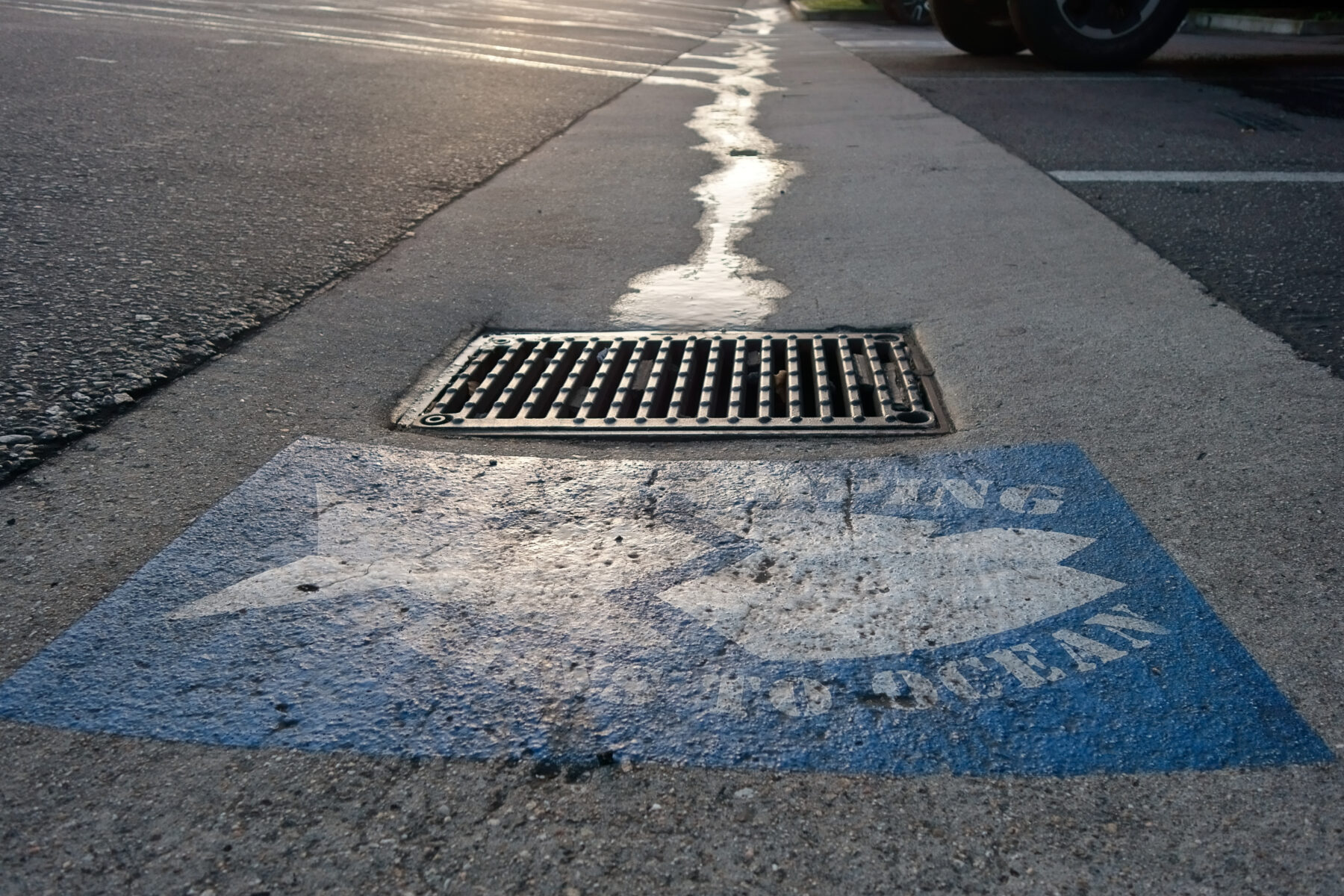 Summer storm events bring concentrated rainfall that moves across surfaces in distinctly different ways. On gravel, fast-moving water displaces aggregate fines and cuts channels through the surface layer; on asphalt, binder saturation starts at open cracks and works inward with each storm cycle. Concrete surfaces respond differently, where subsurface infiltration at unsealed joints routes water toward the subgrade and shifts bearing conditions below the slab. Matching the right material and mix design to each application keeps drainage patterns controlled and surfaces intact through storm season.
What Runoff Does to Gravel Surfaces
Water moving across a gravel road without proper crown or drainage grade cuts channels through surface fines, pushing material toward the shoulders and exposing the base layer beneath. This kind of channeling strips aggregate faster than steady traffic wear, and material that washes off rarely redistributes in a way that restores the original surface profile. Left unaddressed, low spots form where water concentrates during subsequent storm events, accelerating the wear cycle.
Aggregate specification shapes how much of this displacement actually occurs. Angular crushed material binds together under load and holds its position when water velocity increases, while rounded aggregate migrates under the same conditions. Structural fill placed in the base layer stays in position as surface material moves, preventing the soft spots that develop after repeated storm cycles. Washed aggregate in the top course compacts tighter and sheds water more consistently than material heavy with fines, which tend to migrate and open drainage channels across the surface.
How Asphalt Responds to Storm Saturation
Hot-mix asphalt carries load through the bond between its aggregate structure and the asphalt binder, and sustained moisture exposure tests that bond at every open crack and surface joint. When water enters through surface cracks or edge joints, it moves into the aggregate matrix, weakening particle-to-binder adhesion. The surface begins to ravel, with individual stones separating from the matrix as structural capacity drops faster than surface appearance suggests.
Pooling water on low-crowned sections or at poorly graded transitions works into micro-cracks through thermal cycling and carries this process deeper with each storm event. Hot-mix produced at closely managed facilities controls aggregate gradation and binder content tightly, which closes the porosity pathways that allow water to enter the pavement structure in the first place. Pavement that starts the storm season with a sealed, intact surface holds better through repeated saturation events than pavement with existing cracks and open joints.
Concrete Slabs, Joints, and Subgrade Saturation
Concrete slabs are rigid structures, but the subgrade beneath them responds to moisture and can shift under sustained saturation. When storm runoff routes beneath a slab through unsealed joints or edge cracks, subgrade material can wash out or lose bearing capacity, creating voids the slab must bridge without support. Once a section loses contact with the subgrade, loads applied at the surface create deflection the original mix design did not account for.
A lower water-to-cement ratio keeps concrete density high and reduces the capillary pathways through which moisture migrates downward through the slab. In Northern Idaho and Eastern Washington, where summer storm intensity can shift quickly, ready-mix concrete with a well-graded aggregate structure and tightly controlled water content holds its slab profile and resists subsurface water movement at the joint edges. Consistent water content across batches also keeps hydration rate and setting behavior predictable, which matters when storm weather brings unexpected moisture to fresh concrete before finishing is complete.
Preparing Surfaces Before Storm Season
Surface preparation before peak storm season determines how much remediation follows. On gravel roads, crown restoration and aggregate replenishment before the first heavy rains keeps water moving off the surface rather than channeling across it. Asphalt crack sealing ahead of storm events closes the entry points that allow saturation to penetrate the binder course and extends pavement life without requiring a full resurfacing.
Concrete surface joints, when inspected and resealed before heavy seasonal rainfall, direct runoff away from slab edges and control where drainage actually goes. Selecting the right aggregate for base stabilization, surface dressing, or top course placement depends on traffic load, drainage grade, and the runoff patterns specific to each location. The right combination of material specs and surface prep keeps roads, drives, and slabs across Eastern Washington and Northern Idaho performing through the full storm season.
Interstate Concrete & Asphalt serves Eastern Washington and Northern Idaho with aggregates, ready-mix concrete, and hot-mix asphalt from plants across the region. Whether a project needs structural fill, aggregate replenishment, or a ready-mix spec suited to seasonal drainage conditions, the team can match the right material to each application.