

How Proper Aggregate Selection Improves the Lifespan of Concrete Structures
August 1, 2026
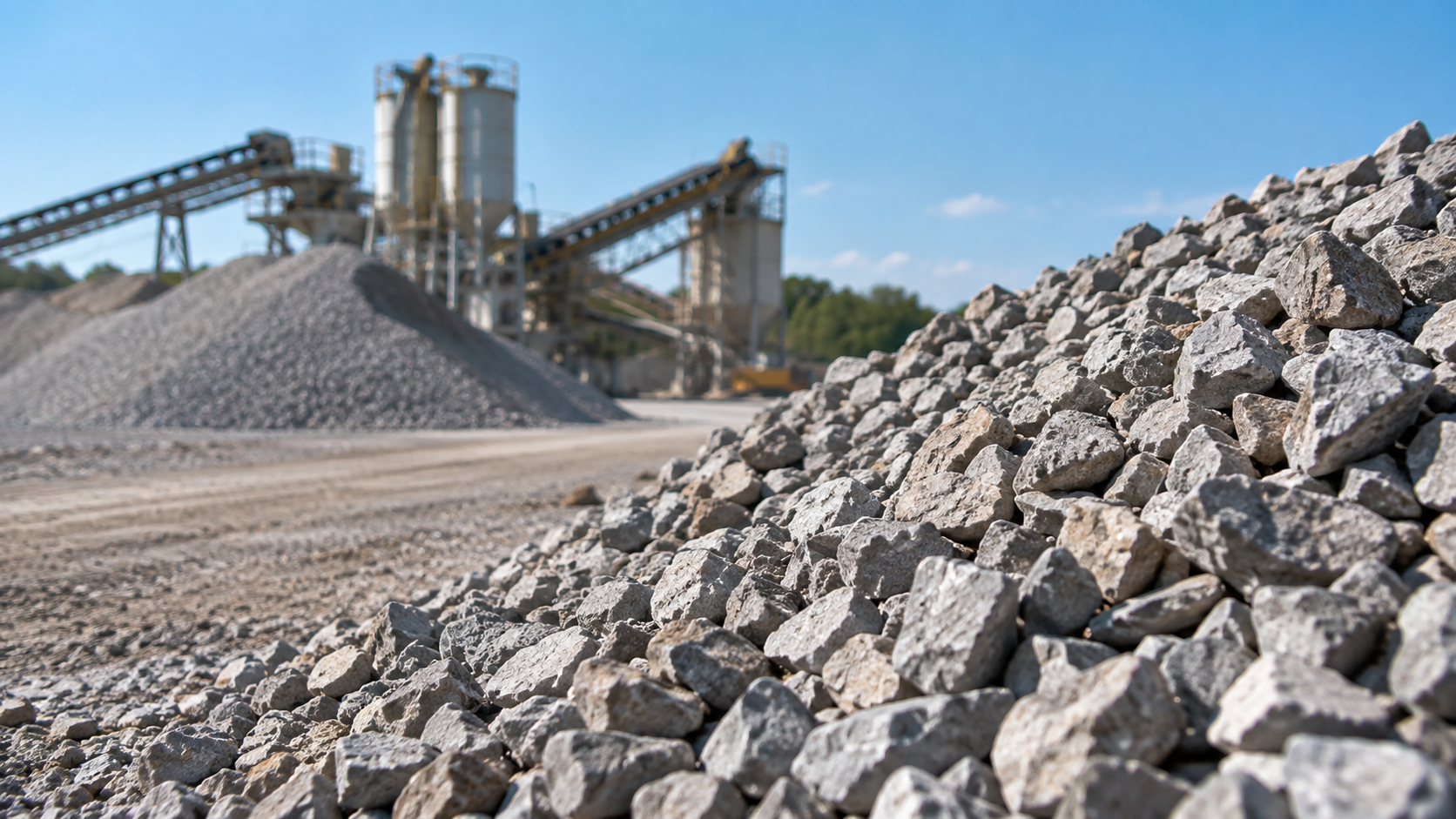
Aggregate makes up roughly 60 to 75 percent of a concrete mix by volume, which means the stone you choose does most of the heavy lifting in any pour. The right aggregate helps a foundation, bridge deck or slab carry its load and hold its shape for decades. In Northern Idaho and Eastern Washington, where freeze-thaw cycles and heavy axle loads test every structure, that choice matters even more.
Harder, cleaner, well-graded stone matched to local climate and load makes concrete last longer.
What Aggregate Selection Actually Means
Aggregate selection is the process of choosing the right stone for a specific structural mix based on the load, the climate and the type of project. It happens at the batch plant, where crews match hardness, size and cleanliness to what the finished structure needs to withstand. A residential slab and a multi-story foundation face different demands, and the aggregate should reflect that. Dense, tightly packed stone binds well with cement paste and sheds water, which helps a pour stay intact through years of use.
Why Aggregate Hardness Controls Durability
Hardness determines how well aggregate resists wear over time. In a region with repeated freeze and thaw cycles, soft or porous stone tends to break down, while hard stone holds up.
Engineers measure that resistance with the Los Angeles Abrasion test, which grinds a sample down mechanically and caps how much material structural aggregate can lose, typically near 40 percent. Stone that passes keeps its angular shape and rough surface inside the mix.
That shape matters because a freshly fractured, angular particle grips cement paste better than a rounded, worn one. Crews also use a sodium sulfate soundness test to flag aggregate likely to break down after repeated Inland Northwest winters.
How Aggregate Gradation Shapes Strength
Gradation refers to the range of particle sizes in a mix, from coarse rock down to fine sand. Getting that range right plays a major role in long-term concrete performance.
Well-graded aggregate, controlled to standards like ASTM C33, packs tightly and leaves fewer gaps for cement paste to fill. Less paste means less shrinkage stress as the concrete cures, which can help reduce cracking over time. A gap in that size distribution does the opposite. It forces paste to bridge larger voids and can push water content higher than the mix needs, weakening the finished pour.
Why Washed Aggregate Improves the Cement Bond
Clay and fine dust cling to aggregate straight out of the pit, and both interfere with the bond between stone and cement paste. That weakness often starts inside the structure, where it is harder to detect until damage shows up later. Washing and screening aggregate before it reaches the batch plant removes that coating and gives the cement paste a cleaner surface to grip.
Why Certified Plants Matter for Structural Concrete
Consistency matters on structural work. Six ready-mix plants across Northern Idaho and Eastern Washington operate under National Ready Mixed Concrete Association (NRMCA) certification, which ties batching accuracy and material testing to a documented standard. That matters most on projects with little room for variation, such as bridge decks, foundations and other load-bearing structures. The Byway Bridge repair and the paving connection between NW Boulevard and Sherman Avenue in Coeur d’Alene both required aggregate matched to local freeze-thaw exposure and axle loads rather than a generic mix.
What to Look for in Aggregate for Structural Concrete
When planning structural concrete in Northern Idaho or Eastern Washington, look for aggregate that is:
- Hard enough to resist wear and freeze-thaw cycles
- Well graded for tight particle packing
- Clean and washed before batching
- Tested to recognized standards such as ASTM C33
- Matched to the project’s load and local climate
- Supplied through certified plants with consistent quality controls
Choosing the Right Aggregate for Long-Lasting Concrete
Aggregate selection has a direct effect on how concrete performs over time. The right stone helps a structure handle load, resist freeze-thaw damage and maintain its strength through years of use. In Northern Idaho and Eastern Washington, that usually means hard, clean, well-graded aggregate selected for local weather conditions and project demands.
Property owners and contractors planning structural work should look for tested materials and certified production standards before the pour begins. That early choice plays a major role in how long the finished concrete will last. Interstate Concrete & Asphalt’s NRMCA-certified plants can match aggregate to your project’s load and climate, so the right stone goes into every pour.
Frequently Asked Questions
How does aggregate affect concrete strength?
Aggregate makes up most of a concrete mix, so its hardness, size and cleanliness directly influence how well the concrete carries load and resists wear. Harder, well-graded aggregate produces stronger, longer-lasting concrete.
What is the best aggregate for structural concrete in freeze-thaw climates?
Hard, dense, angular stone that passes the Los Angeles Abrasion and sodium sulfate soundness tests performs best. This aggregate resists the repeated freezing and thawing common across the Inland Northwest.
Why does aggregate need to be washed before use?
Clay and dust coat aggregate straight from the pit and weaken the bond between stone and cement paste. Washing removes that coating so the paste can grip the stone cleanly.
What is ASTM C33?
ASTM C33 is the standard specification that controls aggregate gradation and quality for concrete. Meeting it helps ensure tight particle packing and reduced shrinkage in the finished pour.
Why choose an NRMCA-certified plant?
NRMCA certification ties batching accuracy and material testing to one documented standard, which keeps aggregate quality consistent from batch to batch, an especially important factor on structural projects.